


Why Good Literature Matters: Inspiring a Love of Reading in Lower School
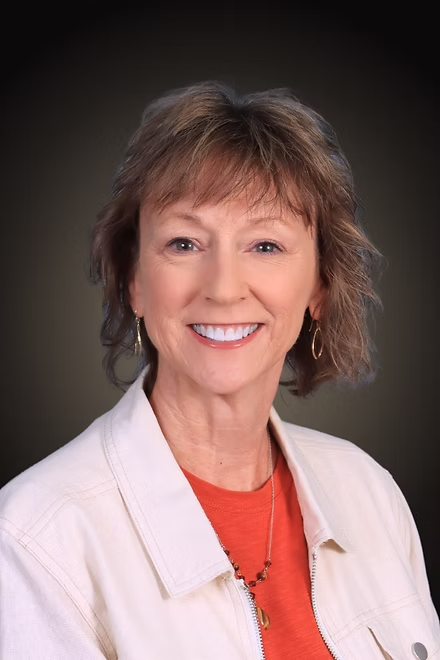

In this blog post, Karla Bower (Teacher, 3rd Grade) shares with parents the joy of reading and being read to, as well as some helpful suggestions for parents.
By Karla Bower, Third Grade Teacher
Children love for someone to read to them. You may remember being read to by a parent, grandparent, or teacher. When I was really little, I remember my mom reading nursery rhymes to me. When I was in fifth grade, I remember my teacher reading James and the Giant Peach to my class every afternoon before school ended. The whole class looked forward to gathering on the rug and listening to my teacher as she changed her voice to match the characters. I could picture myself inside that giant peach alongside James and his friends, and it made me wish the adventure would never end. I was so sad when the book was over and asked my teacher for the author’s name so I could put the book on my Christmas list. Yes, I got the book for Christmas!
Read-aloud books are great, but somewhere along the line children start reading on their own, and they also want to choose their own reading material. If you’ve ever taken a child to the library or bookstore, I’m sure you’ve experienced this. So you may ask, “Is it okay for kids to read any book they choose?” Here’s my thought: We have a finite amount of time on this earth. Everything we say, do, and yes, read, should bring glory to God. Not every book has to be a “Christian” book, but for it to be worthy of our time, it should have value. At Faith Christian School, we want children to look for truth, beauty, and goodness in everything. This is central to Classical Christian education, where students learn to recognize what is true, appreciate what is beautiful, and discern what is good. This is true for books, too.
What kind of books inspire a love of reading?
They need to choose good books that make them want to stay inside that book until its conclusion. This first happened for me when I started third grade (as a student, not a teacher!). I remember these details like it was yesterday. It was library day, and I joined my classmates in the search for a book to check out. I looked at the picture book section and decided there was nothing there for me. I wanted to READ, not just look at pictures, but I had no idea where to start. I was perusing the shelves of chapter books, feeling pretty overwhelmed, when along came the school librarian. She asked me some questions about what I liked to read and topics that may be of interest to me. Honestly, I’m sure I said what a lot of kids say: “I don’t know.” She went to the shelf, picked out a book that was at my eye level, and said, “Why don’t you give this one a try? I loved reading this when I was your age. Let me know what you think.”
She placed into my hands a copy of The Boxcar Children. I felt excited. It was so easy for her to choose a book for me, and she gave it a personal endorsement, which carried some weight, coming from the librarian. I fully believed the librarian had read every book in the world (or at least in the school library). That afternoon I got off the bus, ran into my house, and showed my mom the book. She told me she had read the book when she was a little girl. Wow, a second endorsement! I lay on the couch and read the entire book that afternoon. I couldn’t put it down! That’s what a great book does for you—it inspires a love of reading. You savor it like a delicious dessert, and you want to try another.
What is a classic?
I’ve mentioned James and the Giant Peach and The Boxcar Children. What do these two books have in common? They are both classics. A book is considered a classic when it is a quality book that has stood the test of time. They have made a valuable contribution to the world of literature. At Faith Christian School, the books students read in literature class are classics. These are great stories, often at or above grade level, that challenge students to grow as readers and leave them wanting more. Through wondering, discussion, and asking thoughtful questions, students learn to think carefully about the characters, choices, and ideas they encounter.
If you want suggestions for what your children should be reading, ask their teacher. Families can also ask their child's teacher for reading recommendations and explore the school's grade-level summer reading lists. You’re careful about what your child eats and what they watch on television. Shouldn’t you be careful about what they’re reading, too?
Once children can read on their own, should you stop reading to them?
No. It's important to keep reading to children because their auditory comprehension (what they can understand by listening) is often greater than what they can read and understand on their own. Hearing a more complex adventure will make children naturally gravitate to reading more advanced books on their own. You want a child’s reading fluency (the ability to read accurately, smoothly, and with expression) and comprehension (understanding what is read) to always keep growing.
Reading a book with your child has other benefits, too. It helps you as a parent to set aside quality time to spend with your child. It gives you something to enjoy, discuss, and even debate. It also helps you see areas where your child may be struggling: Is he able to answer questions that you pose about the situation or characters? Does she recognize sight words as she looks at the page with you?
If your child is struggling with either reading comprehension or fluency, it’s even more important to read together. I often suggest a parent reads a paragraph or page, then your child reads a paragraph or page. At the end of your reading session, ask your child to narrate (retell the story in their own words, including important details in the correct sequence) what happened. Narration helps children develop comprehension, memory, and the ability to express their thoughts clearly. I believe you will be amazed at their ability to do this well. It may even challenge you to pay closer attention to the book!